

Best Montessori Materials for Winter Indoor Learning
Greetings, educators and professional Montessori families! Winter in many parts of the U.S. means shorter days, colder weather and often more indoor time for children. This is a wonderful opportunity to enrich your 0-6 prepared environment with materials tailored for winter indoor learning — focusing on concentration, sensorial refinement, language, practical life and peace. At Adena Montessori we recommend a curated selection of work trays and materials perfect for the season. Remember the insight of Dr. Maria Montessori: “The environment must be rich in motives that lend interest to activity and invite the child to conduct his own experiences.”
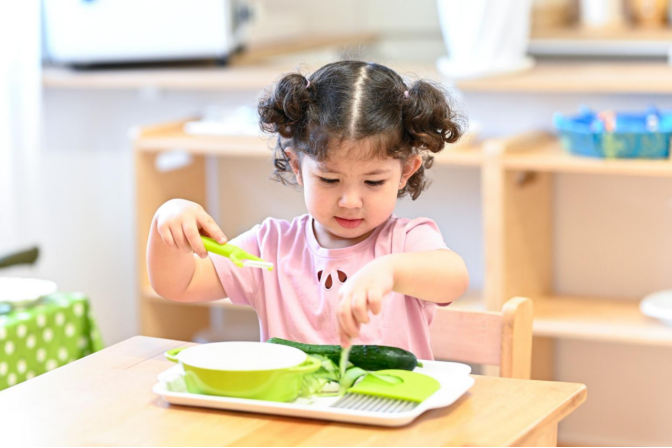
Material categories & recommendations
1. Practical Life & Fine Motor
l Winter-themed lacing/sewing kits (snowflake felt, large beads in silver/white/blue) — enhances coordination and patience.
l Pouring and transferring activities with white rice or “faux snow” beads in trays; child practises transferring from one bowl to another, using tongs or small spoons.
l Folding and wrapping trays: miniature “winter gift” boxes the child will wrap with ribbons and stick labels — builds care and preparatory work for family rituals.
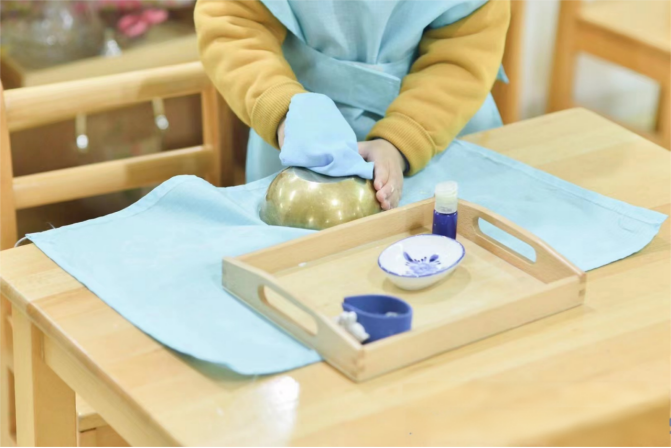
2. Sensorial & Colour Work
l Colour tablets in winter palette: silver-grey, icy blue, white, deep pine green, dark brown (branches). Using earlier article #4’s concept helps.
l Winter texture boards: soft faux-fur, knitted wool, velvet, smooth wood — child matches textures, explores feeling, categorises.
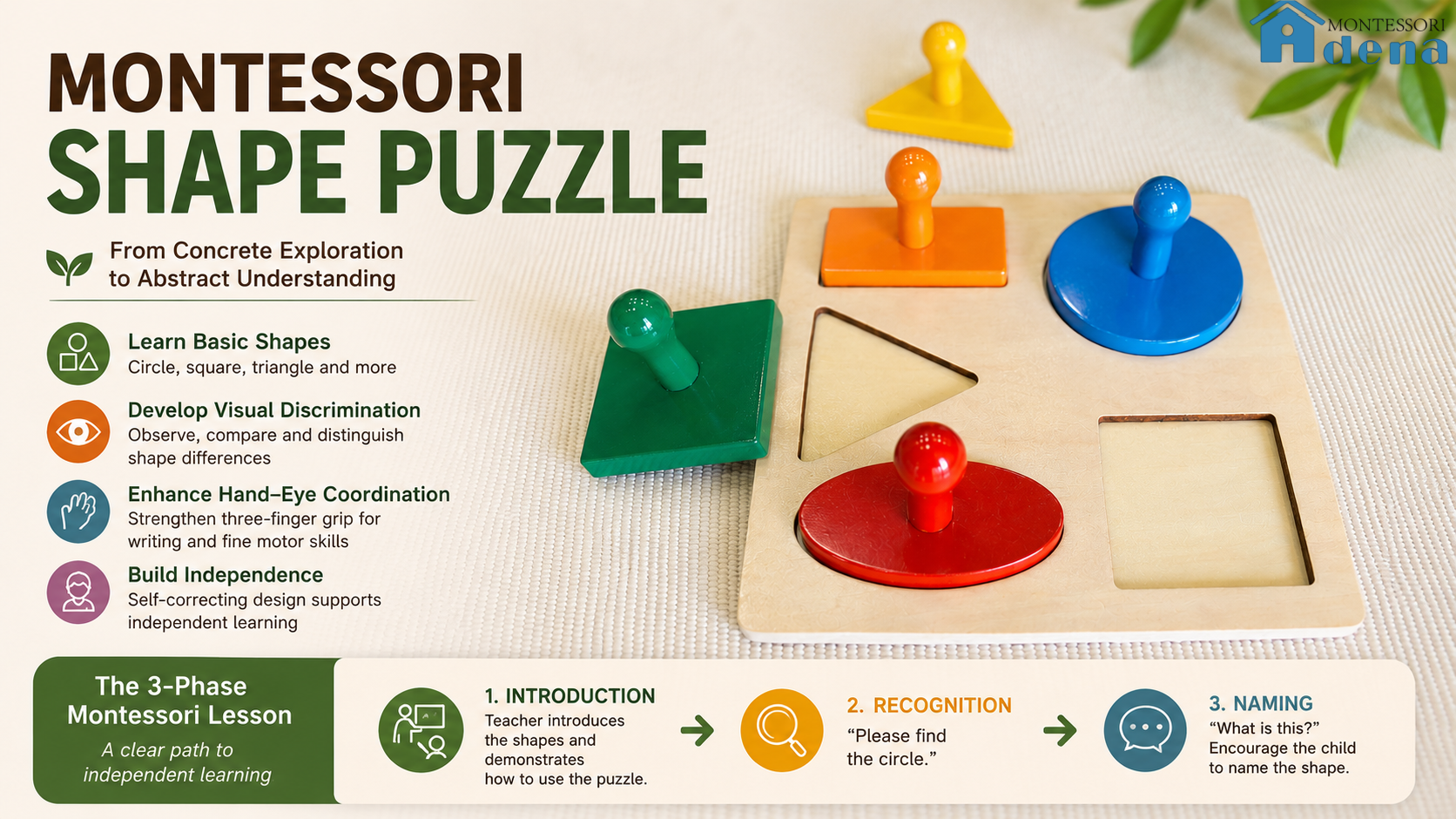
l Snowflake puzzle or wooden inlay — encourages concentration and fine-motor precision.
3. Language & Culture
l Winter/in-house themed nomenclature cards: snowflake, icicle, mittens, evergreen, snowfall, hearth, cosy etc. The child can match cards to real objects or photos.
l Story tray: a small selection of winter-themed books, perhaps in several languages if applicable, placed on low shelf for independent choice.
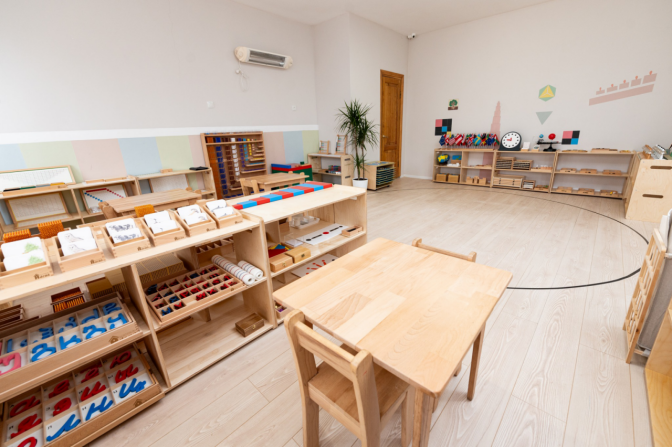
4. Mathematics & Sequencing
l Wooden peg-boards shaped as snowmen: first one pegged, then two, then three — illustrating sequence, numeral, addition in a winter motif.
l Button-board work: children sew buttons onto cardboard mittens (1 button, then 2, then 3) developing one-to-one correspondence.
5. Culture & Grace & Courtesy
l A “cozy tea-pouring” tray: small teapot, child-size cups, natural tray; child invites a friend or adult for “warm tea” (pretend or real herbal) — linking community, care and tranquility indoors.
l Table-setting work: child sets the table for winter dinner with simple materials (small candles, natural wood coaster, linen napkin) — builds ritual and courtesy.
Tips for effective indoor winter implementation
l Rotate materials: change trays every 2-3 weeks so novelty remains, but give enough time for deep work.
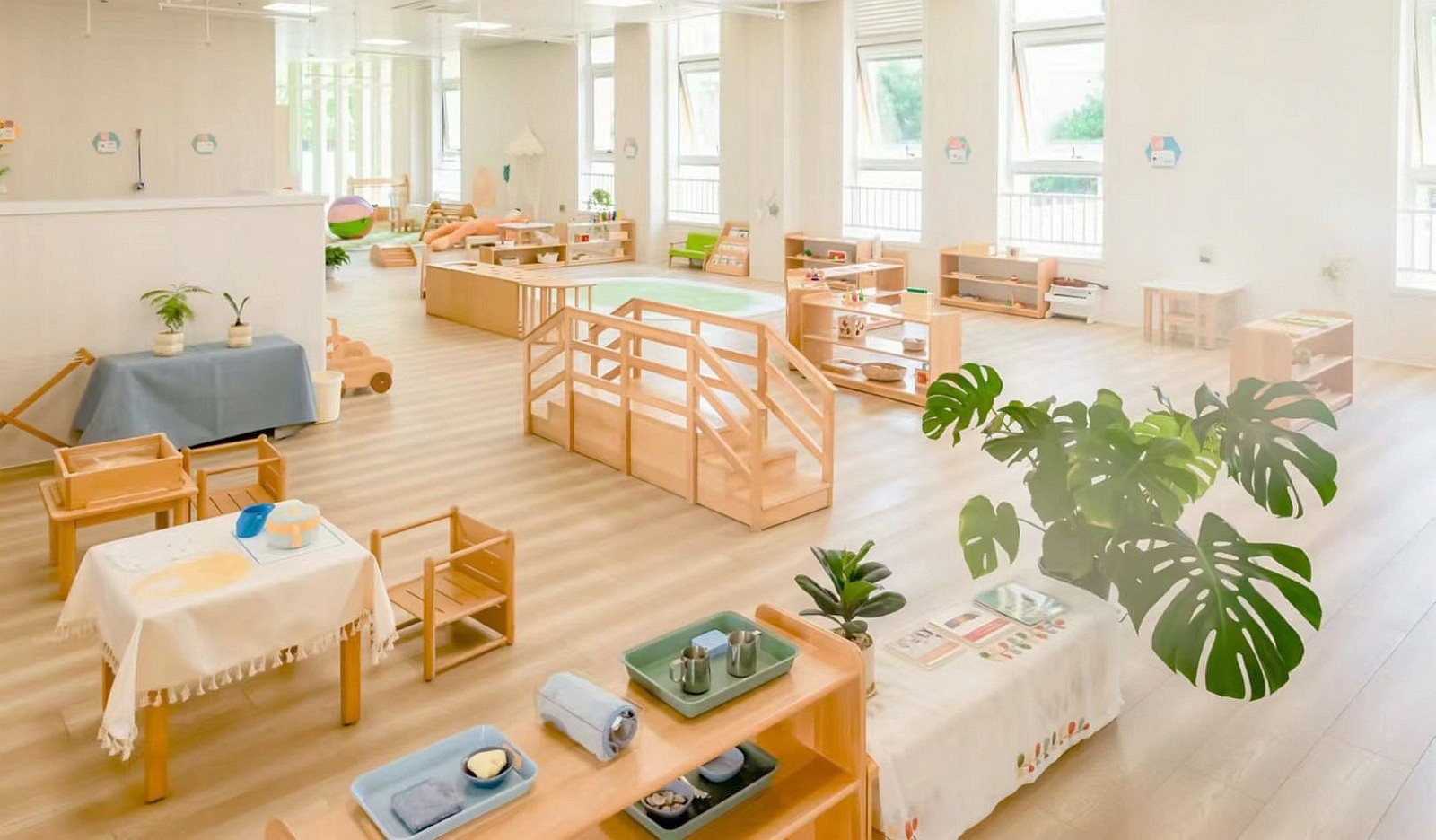
l Keep environment cosy: soft lighting, low background noise, natural-wood shelves/trays (like Adena Montessori), perhaps a small indoor plant or branch to connect to nature.
l Ensure daily outside-window time: even in winter, looking out at trees, snow, the sky brings connection to the wider world; then bring the child to a table tray to reflect.
l Use larger visual cues: due to shorter daylight, ensure colour contrasts and good lighting so children’s sensorial work isn’t compromised.
l Collaborate with families: If you’re a teacher, send home a “winter indoor tray” suggestion for child to borrow on weekend; if you’re a parent, ensure your child has a dedicated “work shelf” at home.
FAQ
Q1: My child seems restless inside — how do I keep things effective?
A: Include movement-based trays: e.g., “Put on the boots” tray, “Carry the tray to the window” work, “Dust the bookshelf” or “Sort pinecones by size” (you might bring in natural outdoor materials). Physical movement plus work helps manage energy.
Q2: Do we need to buy new materials each winter?
A: Not necessarily. Many autumn trays can transition into winter with slight modifications (change colour palette, adjust theme). Use your Adena Montessori trays but re-theme them for winter.
Q3: How many trays should be available?
A: For preschool/early years, perhaps 4-6 trays plus 1 special rotation tray each week works well. The key is depth, not quantity.
Q4: What about screen time when it's dark early?
A: In Montessori philosophy, screen time should be minimal for this age group. Instead of screens, focus indoor hours on prepared work, nature connection (window view, branch collection), and handwork. This supports concentration and calm.
 Back-to-School Anxiety: Montessori Tips for a Smooth Transition
 Back-to-School Checklist: Montessori Study Corner Setup | Adena Montessori
 Why Montessori Children Use Geometry Cabinet Before Writing | Pre-Writing Skills
 Montessori Metal Insets: Why Children Use Them Before Writing